
Spiced Cranberry Apple Cider
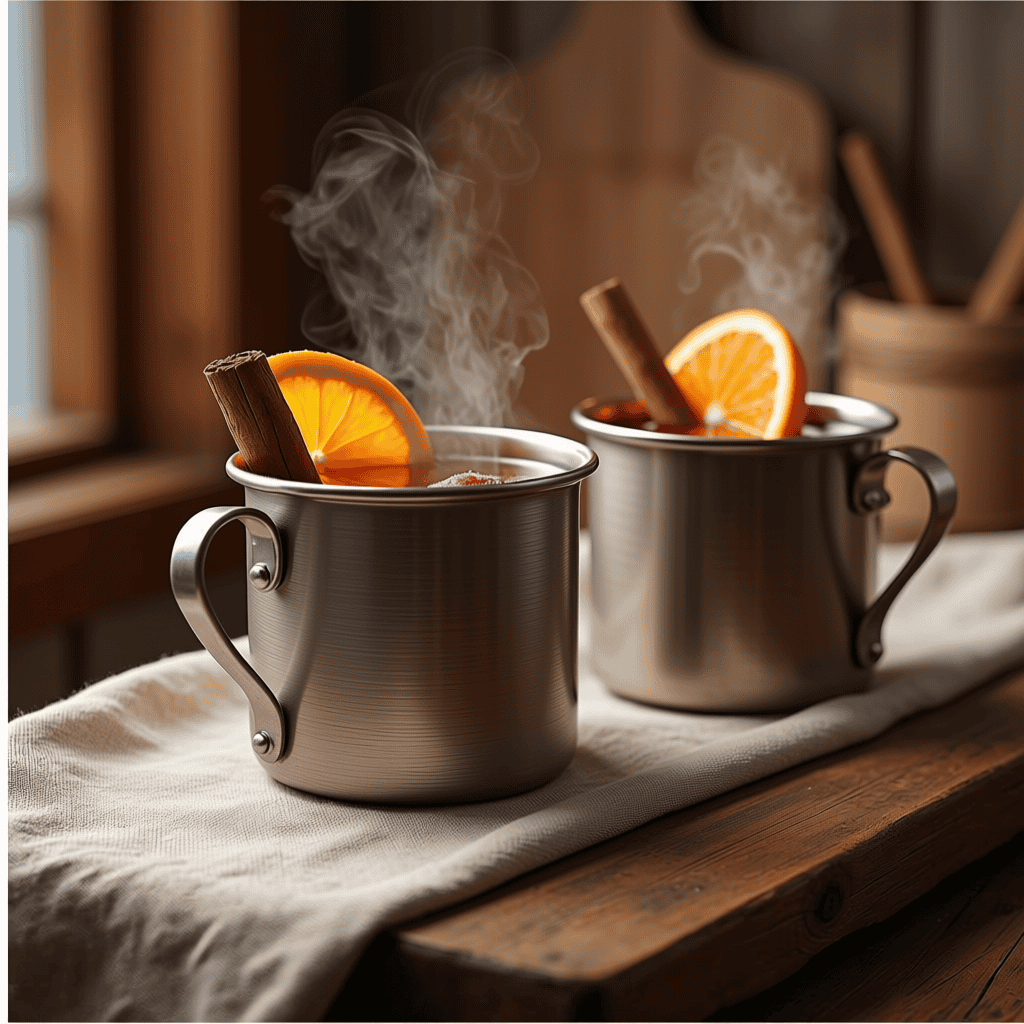
Spiced Cranberry Apple Cider
Most mulled cider tastes like spiced sugar water. This one doesn’t — a full cup of pure cranberry juice brings real tartness to the pot, so the brown sugar only has to round things out instead of carrying the whole drink. Toast your spices dry for a minute before anything else touches the pan; it’s a small step that makes the whole kitchen smell like the holidays.
4
servings15
minutes40
minutes150
kcal55
minutesIngredients
1 large orange, zested in wide strips (fruit reserved for another use)
8 whole cloves
1 tsp whole allspice berries, coarsely crushed
2 cinnamon sticks
3 cups apple cider or unfiltered apple juice
2 cups pure cranberry juice
3 tbsp light brown sugar
Pinch of kosher salt
1/4 tsp pure vanilla extract
12 fresh cranberries, for garnish (optional)
Directions
- Prep the orange zest. Using a vegetable peeler, take the zest off the orange in wide strips — you want the colorful skin, not the bitter white pith underneath. Refrigerate the strips, covered, until serving time. Set aside one strip per drinker for garnish, then stick the cloves into two or three of the remaining strips. This isn’t just presentation: the clove oils need something to cling to while they infuse, and the zest’s citrus oils are doing their own flavor work at the same time.
- Toast the spices. In a large saucepan over medium heat, warm the allspice and cinnamon sticks, stirring, until fragrant — about 1 to 2 minutes. This is a dry-toast, no liquid yet, and it matters more than it looks like it should: heat cracks open the essential oils in whole spices, so a quick toast gets you noticeably more aroma than just dumping them into cold liquid would.
- Build and simmer the cider. Remove the pan from the heat and carefully pour in the apple cider and cranberry juice — it will sputter vigorously as the cold liquid hits the hot pan, so pour slowly and stand back a little. Stir in the brown sugar and add the clove-studded zest strips. Bring it up to a simmer over medium-high heat, stirring to dissolve the sugar, then drop the heat to medium-low. Simmer partially covered, stirring occasionally, for 20 minutes to let everything infuse.
- Steep off the heat. Cover the pot completely, pull it off the heat, and let it steep for 20 more minutes. This resting stage is where a lot of the depth actually comes from — the spices keep releasing flavor into the hot liquid even without active heat, and you avoid boiling off the volatile aromatics that make mulled cider smell like mulled cider.
- Strain and finish. Set a fine-mesh strainer over a large heatproof bowl and pour the cider through, discarding the solids. Return the strained cider to the saucepan and bring it back to a simmer over medium heat. Stir in the vanilla, then taste — if it needs more sweetness, whisk in a little extra brown sugar now, a teaspoon at a time.
- Warm the mugs and serve. While the cider comes back to temperature, fill one small mug or heatproof glass per drinker with hot water to preheat them, about 2 minutes, then empty them out. Ladle the cider into the warm mugs, garnish each with a reserved orange zest strip and a couple of cranberries, and serve right away — the preheated mug keeps your first few sips actually hot instead of lukewarm.
Notes
- Kosher salt isn’t optional flavor filler here — a pinch sharpens the fruit and rounds out the sweetness the same way it does in a caramel sauce. Skip it and the cider tastes flatter, even though you can’t taste “salt” directly.
- Equipment: Vegetable peeler, large saucepan, fine-mesh strainer, heatproof bowl. No fine-mesh strainer? A clean kitchen towel over a colander works in a pinch.
- Seasonal variation: Swap in a splash of bourbon or dark rum for an adults-only version — same steps, add it in step 5 with the vanilla.
Nutrition Facts
- Total number of serves: 4
- Calories: 192kcal
- Fat: 0.6g
- Saturated Fat: 0.1g
- Sodium: 25mg
- Potassium: 331mg
- Carbohydrates: 49g
- Fiber: 2.3g
- Sugar: 42.1g
- Protein: 0.9g
- Vitamin A: 4.3mcg
- Vitamin C: 18.5mg
- Calcium: 66mg
- Iron: 1mg
- Vitamin E: 1.7mg
- Vitamin K: 7.7mcg
- Thiamin: 0.1mg
- Riboflavin: 0.1mg
- Niacin: 0.4mg
- Vitamin B6: 0.1mg
- Pantothenic Acid: 0.1mg
- Phosphorus: 34mg
- Magnesium: 22mg
- Copper: 0.1mg
- Manganese: 0.7mg
The Secret to a Spiced Cranberry Apple Cider That Isn’t Overpoweringly Sweet
Tired of mulled cider that tastes like spiced sugar water? Let’s fix that. This recipe uses pure cranberry juice instead of cranberry cocktail, which means you’re getting real tartness working against the apple cider’s sweetness instead of two sweet juices fighting for the same job. You’ll need about 55 minutes, a large saucepan, and a fine-mesh strainer — no fancy equipment required.
Why Toasting Your Spices First Actually Matters
Here’s something a lot of cider recipes skip: toasting the allspice and cinnamon sticks in the dry pan for 1 to 2 minutes before any liquid goes in. Those whole spices are basically little vaults of essential oils, and oils release best with dry heat, not liquid heat. Skip this step and your cider still tastes fine — it just won’t smell like it’s been simmering all day when it’s only been on the stove for five minutes. It’s a small move with an outsized payoff.
The other thing worth calling out: when you pour cold cider and cranberry juice into that hot pan, it’s going to sputter — sometimes pretty vigorously. That’s just the temperature difference releasing steam fast. Pour slowly, keep your face back, and you’ll be fine. Don’t burn your face.
Historical Context
Mulling spiced drinks goes back centuries — Europeans were warming spiced wine over hearths long before “mulled cider” was a coffee-shop menu item every October. The cranberry twist is more American: cranberries are native to North America and show up in New England holiday cooking specifically because they were one of the few fresh fruits still around in a cold-climate winter.
Tips & Troubleshooting
- Cider tastes flat? That’s almost always the salt, not the sugar — add another small pinch before reaching for more sweetener.
- No allspice berries on hand? Swap in 1/4 teaspoon ground allspice, added with the vanilla in step 5 instead of toasted upfront — ground spice scorches fast in a dry pan.
- Cider too sweet for your taste? Cut the brown sugar to 2 tablespoons; cranberry juice brands vary a lot in tartness, so taste before you commit to the full 3.
- Scaling up: This doubles cleanly for a crowd — just simmer in a Dutch oven instead of a saucepan so everything has room to circulate.
Storage & Serving
- Storage: Refrigerate strained, cooled cider in an airtight container up to 5 days.
- Reheating: Warm gently over medium-low heat on the stovetop, or microwave in 30-second bursts, stirring between — don’t let it hit a hard boil.
- Make-Ahead: Make the base through the simmer/steep steps up to 2 days ahead; strain, refrigerate, then reheat and finish with vanilla just before serving.
- Serving Suggestion: Pairs well with anything buttery and spiced — think shortbread or snickerdoodles.
Conclusion
Once you’ve got the toast-then-steep method down, it translates to a lot of other warm drinks — check out our Cooking Basics hub for more on building flavor with whole spices, or browse our Drinks category for more seasonal sippers.


