
Welcome to the cooking terms and definitions dictionary!
Have you ever looked at a recipe and wondered, “What in the world does that even mean?” Cooking has a whole language of its own!
With this guide of common (and some uncommon) cooking words, you’ll be able to read any recipe like a pro. We will tell you what all of those unknown phrases mean in simple terms.
Whether you love cooking or are just starting out, this list will help you make sense of recipes. You’ll be able to cook new dishes with ingredient lists that used to confuse you.
So get those pots and pans ready! We’re about to learn a bunch of new cooking words and make you a kitchen pro.
And please let us know if you find any not on this list. We’d be happy to add them.
Agar – Gelatinous substance from algae used as a vegetarian gelling agent.
Annatto – Reddish-orange seed used as a food coloring.
A point – Cooked to the perfect stage of doneness.
Acidulation – The addition of an acid like lemon juice or vinegar to balance the flavor.
Aerate– Whisking something quickly to incorporate tiny air bubbles.
Air fry– Cooking with rapidly circulating hot air to crisp up foods without oil.
Al dente – Pasta or rice cooked until tender but still a little firm, not mushy.
Aromatics– Foods like onions, garlic, and herbs that add lots of flavor to foods.
Asafoetida – Pungent spice used in Indian cooking.
Aspic – Savory jelly made with meat or fish stock used for molding dishes.
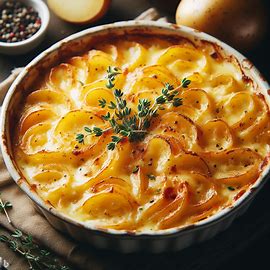
Au gratin – Covered with cheese or breadcrumbs, then baked to get a crispy topping.
Au jus – Served with its own natural cooking juices.
Au poivre– Coated with cracked black peppercorns.
Au sec– Describes a dry champagne or sparkling wine.
Bain-marie – To gently cook delicate ingredients like custard or chocolate using the steam from a hot water bath. The food cooks indirectly, preventing scorching.
Bake –To cook or prepare food in an oven using dry heat. Baking food usually takes a long time but makes foods like bread, cakes, and casseroles nice and crispy on the outside.
Baking powder– Leavener that reacts with liquid to produce carbon dioxide bubbles.
Baking sheet– Flat pan for baking cookies, bread, and pastries. It may have raised edges.
Baking soda– Leavener that creates air bubbles in doughs and batters when moistened.
Barbecue– To slowly cook meat indirectly using smoke from charcoal or wood.
Barding– Covering lean meats with strips of fat while cooking to prevent drying.
Baste– To brush or spoon juices, sauce, or fat over the meat, vegetables, or other foods repeatedly during cooking to add flavor and prevent drying out.
Batter– Mixture of flour, eggs, and liquid that can be spooned or poured, like for pancakes.
Beat– To quickly mix the ingredients together to make them smooth and blended.
Bechamel– Creamy white sauce made with milk and thickened with a roux.
Beurre blanc – Emulsion sauce made with shallots, vinegar, and butter.
Beurre manié – A paste of butter and flour used to thicken sauces.
Bias– Cutting veggies diagonally instead of straight up and down.
Bisque – Smooth, creamy soup made from blended shellfish or veggies.
Blanch– To briefly immerse food in boiling water, then cold water to partially cook, set color, and remove skins.
Blend– To completely mix something smooth like with a blender.
Blender, high-speed– Powerful blender that spins at high speeds to make super smooth purees.
Blind bake – Pre-baking a pie crust before filling it to prevent sogginess.
Bind – To add an ingredient that brings a mixture of soft food together and makes it cohesive, like eggs in meatloaf.
Boil– To heat up the liquid until bubbles start bursting all over the top. Water boils at 212 degrees Fahrenheit. Boiling food usually cooks food faster than simmering.
Bone– To remove the bones from meat, meat or poultry, or fish.
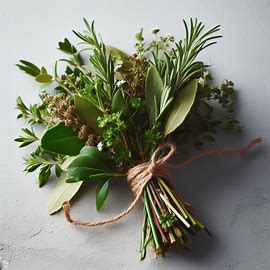
Bouquet garni– Bundle of fresh herbs added to soups, sauces, and stews to infuse flavor.
Braise– Cooking meat or veggies in a small amount of liquid over low heat.
Bread- To coat food with crumbs, flour, or cornmeal before cooking.
Bread crumbs – Dried bread ground into coarse or fine crumbs used for coating or binding.
Brine– Soaking food in a saltwater solution to preserve or flavor it.
Broil– Cooking food directly under high heat from a source in the oven for a crispy top.
Broth– Flavorful liquid made by simmering meats, veggies, or bones.
Brown– Cooking over relatively high heat to caramelize natural sugars and turn food brown.
Butterfly– Cutting food almost in half, then opening up like butterfly wings.
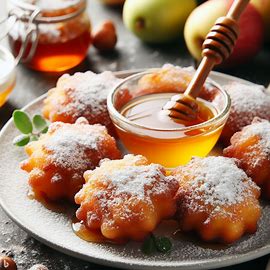
Calas – Fried rice fritters popular in New Orleans.
Caramelize– To heat sugar or foods containing sugars over medium-high heat until the natural sugars brown and create a sweet, nutty, toasted, or slightly burnt flavor.
Cartouche – Round of parchment paper placed directly on the surface of stews and braises to keep them moist.
Cassava- South American root vegetable, also called manioc or yuca.
Casserole– Often a baked pasta, grain, meat, or veggie dish, often with sauce.
Casserole Bakeware- A large, deep, ovenproof cooking dish used to bake saucy dishes with ingredients like noodles, meat, seafood, or vegetables.
Ceviche – Raw seafood “cooked” by marinating in citrus.
Chayote – Mexican squash with a mild flavor.
Chef’s knife– Large triangular knife used for chopping, slicing, and dicing.
Chiffonade– Thin ribbon-like strips made by stacking and then slicing leafy greens.
Chilmole – Mexican turkey or chicken stew with chili pepper.
Chinois – Conical fine mesh strainer used to strain custards and purees.
Chop– Cut food into smaller pieces using a knife or food processor. Chopped foods can be coarse or fine.
Clarify – To remove impurities from a liquid like butter or broth to make it clear.
Colander– Bowl with holes to drain water off of washed veggies or pasta.
Colatura – Italian anchovy sauce.
Concasse – Diced raw tomato or pepper, usually peeled and seeded first.
Confit – Slow cooking and preserving meat in its own fat.
Consommé– Clear soup made by simmering meat and veggies and then straining out solids.
Convection oven– Circulates hot air for fast, even baking using a fan.
Cookie scoop– Spring-loaded tool to scoop consistent amounts of cookie dough.
Cooling rack– Gridded metal rack for air circulation underneath hot baked goods or pans.
Core– Removing the center seed portion and stem from fruits and veggies.
Coring– Removing the stem, seeds, and membranes from the center cavity of the fruit.
Corn Starch- Mix with cold water and pour into liquids. Stir rapidly. It is used to thicken soups or other sauces.
Coulis– Smooth sauce made from blended fruit or veggies.
Cream: – Beating butter and sugar to a light, fluffy texture.
Crimp – Pinching pastry edges decoratively to seal in fillings.
Cornstarch – A fine, powdery starch made from corn. It is often used as a thickening agent for cooking liquids to make them more viscous or thick.
Croquette – Breaded patties or cylinders of mashed potatoes or minced meat.
Cross-contaminate– Transferring bacteria or allergens from one food to another through contact.
Cube– Cut into small square pieces.
Curdle – When proteins in eggs or dairy products clump up and separate when overheated or acidic.
Cure- Preserving food by drying, salting, smoking, or pickling.
Cut in – Blending fat into dry ingredients using forks or fingers until the mix is crumbly.
Deep-fry– Submerging food in hot oil to cook food quickly does it very quickly at a high temperature.
Deglaze– Adding liquid to a hot pan to dissolve cooked-on food bits, creating a flavorful sauce.
Degrease– Skimming off and discarding excess fat and grease from the top of stews or stocks.
Devein – Removing the dark vein from the back of the shrimp.
Dice– Cutting food neatly into tiny cubes.
Divided– Split into different sections, like a divided pan or recipe.
Dollop– A spoonful or small scoop of something soft like whipped cream.
Dot– To add small bits of an ingredient over a dish, usually butter or sauce.
Double boiler– Nesting pots used for low heat-sensitive cooking. Steam from the bottom pot gently heats the top pot.
Dough– Mixture of flour, liquid, and other ingredients that can be shaped.
Dredge– To coat uncooked food with a dry ingredient like flour, cornmeal, or breadcrumbs before pan frying or deep frying. It creates a crispy coating when cooked.
Dress– To lightly coat foods with oil, vinegar, herbs, and spice mixes.
Drippings– Juices and fat that cook out of meat.
Drizzle– Pouring a liquid-like sauce over food in a thin stream.
Dry heat– Cooking without moisture, like baking, roasting, or broiling.
Dry ingredients– The dry parts like flour, baking powder, spices, etc.
Dust– To lightly sprinkle food with powdered sugar, spices, or flour.
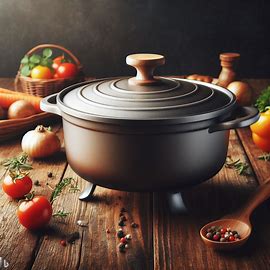
Dutch oven– Heavy, lidded pot good for braising, simmering, baking.
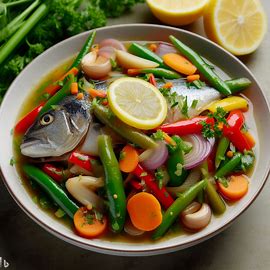
Effiler– Cutting meat into long, thin strips.
Emincer- A French cooking term meaning to slice food, especially meat or fish, into very thin strips. It results in finer, more elegant cuts than regular slicing.
Emulsify– Mixing liquids that don’t normally blend, like oil and vinegar.
Emulsion– Mixture of two liquids that don’t normally blend, like oil and water.
Escabeche– Fish or meat marinated in acidic liquid after cooking.

Farina – Cream of wheat hot cereal.
Farro – Ancient wheat grain that cooks up chewy.
Fillet– Cutting meat, fish, or poultry off the bone in one whole piece of meat.
Fines herbes– A blend of fresh, delicate herbs like parsley, chervil, tarragon, and chives.
Flambé– Lighting food on fire to burn off alcohol and add flavor.
Flute– Pinching pastry edges into decorative pleated shapes.
Fold– To gently mix light and heavy mixtures together using a spatula so the mixture doesn’t lose its air. Folding is often used for things like whipping cream into batter.
Fonio – Ancient West African cereal grain.
Food processor– Electric appliance used to chop, knead, puree, and mix ingredients.
Fregola – Sardinian pasta similar to giant couscous.
Frenching – Trimming all meat and fat off the ends of ribs or chops.
Fry – To cook food by using hot fat and putting it into hot oil. Fren
Galantine – Deboned meat or poultry or meat stuffed, rolled, and poached.
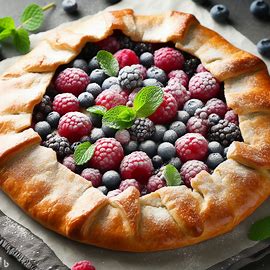
Galette – Rustic, freeform French tart with fruit filling.
Ganache– Creamy chocolate mixture made from melted chocolate and heated cream.
Garnish– Decorative edible topping added just before serving.
Gazpacho– Cold vegetable soup made without cooking.
Giblets– The edible inner organs of poultry, like the liver, heart, and gizzard.
Glaze– Coating with a glossy, sweet mixture like jam, caramelized sugar, or sauce.
Gochugaru – Korean red chili pepper flakes.
Gochujang – Spicy and sweet Korean red chili paste.
Grate– Rubbing food over a grater to shred it into tiny pieces.
Grease– Rubbing a pan with butter or oil before cooking to prevent sticking.
Griddle– Flat cooking surface for making things like pancakes and grilled sandwiches.
Grill– Cook food over a flame grill for charred barbecue flavor.Grilling, direct
Grilling, indirect– Cooking next to, not directly over, the heat source. Provides convection heat.
Grind- To mechanically break solid foods down into smaller pieces or a paste using a food processor, blender, mortar and pestle, coffee grinder, or spice grinder. Grinding churns food into a smooth consistency.
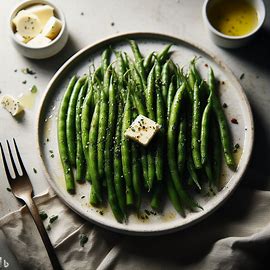
Haricot vert – French slender green bean. Also known as a French green bean.
Harissa– Spicy North African chili pepper paste.
Heavy-bottomed pot– Cookware with a thick, heavy base that distributes heat evenly.
Hollandaise– Elegant, warm emulsion sauce made with butter and egg yolks.
Immersion blender– Handheld stick blender for pureeing soups and sauces right in the pot.
Infuse– Steeping flavorings like herbs in hot liquid to extract their essence.
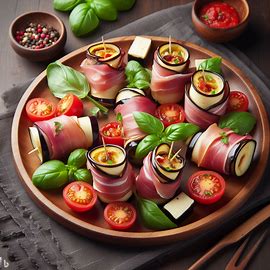
Involtin– Thinly sliced meat rolled around a filling.
Irradiation– Treating food with radiation waves to kill germs and extend shelf life.
Isinglass– Gelatin from fish bladders used to clarify wines and jellies.
Isomalt – Sugar substitute popular in sugar art and pastry decorating.

Jacquarding – Decorating pastry with intricate patterns like leaves or flowers.
Jeroboam– A large bottle holding 3-5 liters of wine.
Jujube – Chinese red date used in tea and medicine.
Julienne– Thin matchstick strips cut lengthwise from veggies.
Jus lie– Thickened and enriched meat gravy or sauce.
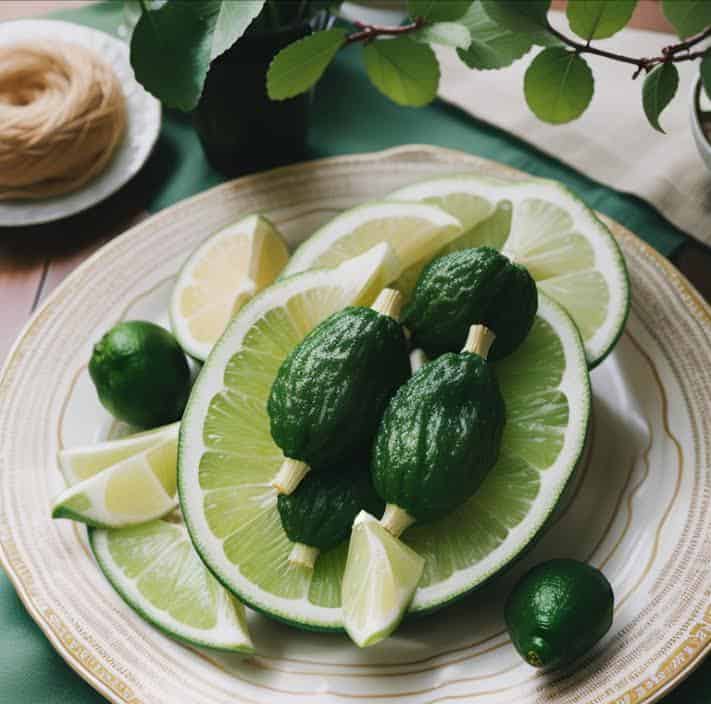
Kaffir lime – Citrusy Southeast Asian leaf used in curries.
Kipper– Pressing and stretching dough to develop gluten and elasticity.
Kirsch – A clear brandy that is distilled from cherries. It has a slightly bitter cherry flavor and is often used in fondue, liqueurs, and French and Swiss cuisine.
Kissing Crust– When the top and bottom crusts of pie or bread touch and stick while baking.
Knead– To press and stretch dough many times to mix and stretch the gluten so baked goods get chewy.
Kokumi – Japanese word for compounds that enhance savory flavors.
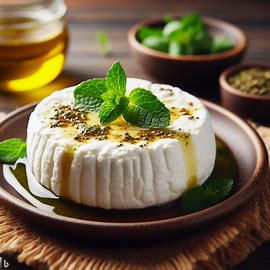
Labneh – Thick, strained yogurt in Middle Eastern cuisine.
Lactobacillus– Bacteria used to ferment and culture foods like cheese or kimchi.
Larding– Inserting strips of fat into a piece of meat while cooking to keep it moist.
Leavening– Ingredients that add volume by producing gas bubbles, like yeast or baking powder.
Liaison– A thickening agent often used to bind sauces, often a roux or beurre manie.
Liquid ingredients– The wet parts of a recipe like milk, broth, juice, etc.

Macerate:– Soaking fruit in liquid to soften and infuse it with more flavor.
Manioc – South American root vegetable, also called cassava or yuca.
Marinate– Soaking food in seasoned liquid before cooking to add flavor.
Mascarpone – Italian cream cheese.
Measuring cup, dry– Nesting set of metal or plastic cups for measuring dry ingredients.
Measuring cup, liquid– Clear container with a spout for measuring liquids.
Meringue– Sweet whipped egg whites and sugar mixture that holds its shape.
Mesclun – Assortment of small, young salad greens.
Mignonette – A sauce made of peppercorns, minced shallots, vinegar, and wine, typically served with raw oysters. The vinegar and shallots complement and bring out the briny flavor of the oysters.
Mince– To very finely divide food into tiny, even pieces by chopping, grinding, or processing. Creates a smooth paste-like texture.
Mirepoix – A mixture of diced or chopped foods, like onion, celery, and carrot, used as a flavor base for soups, stocks, and sauces.
Mise en place– Have all your ingredients prepped and ready to use before cooking.
Mother– Starter culture used to ferment foods like vinegar, kombucha, or sourdough.
Nap or Nappe– Just enough thin sauce to coat the back of a spoon.
Needling– Pricking meat with a fork while cooking to allow marinade or fat to penetrate.
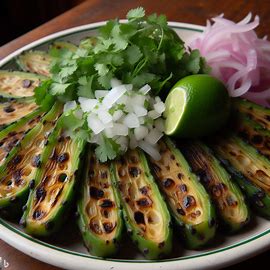
Nopales – Mexican cactus pads used in cuisine.
Nuoc cham – Vietnamese dipping sauce made with fish sauce, lime, and chili.
Nutraceutical– Foods believed to provide health or medical benefits.
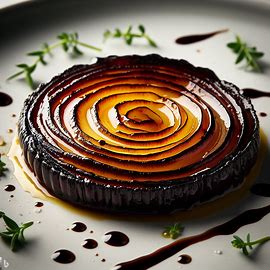
Oeuf – Egg.
Offset spatula – Spatula with an angled, offset blade useful for icing cakes or moving cookies.
Oignon brule – Onion browned until caramelized and sweet.
Ort – Vinegar made from wine fortified with sugar.
Ouzo– Greek anise-flavored liqueur.
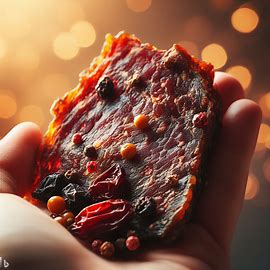
Pan fry (shallow fry)- Quickly fry food in a covered pan with just enough oil to coat the pan.
Parboil -A method of not fully cooking food by boiling briefly before finishing with another cooking method. Parboiling is often used for dense vegetables.
Parchment paper – Nonstick paper for lining baking sheets.
Parcooking – Partially pre-cooking veggies or other ingredients before using them in recipes.
Paring knife- Small knife for peeling, coring, and precision tasks.
Pastry blender – A kitchen tool used to cut solid fat into dry ingredients for pastry dough. It has parallel wires attached to a handle that mixes and cuts the fat into the flour.
Pâté – Spreadable meat paste made from chopped liver or other ingredients.
Paupiette – Thinly sliced meat wrapped around a stuffing and tied with string.
Pectin – Natural substance that thickens jams and jellies.
Pemmican – Native American meat jerky mixed with fat.
Persillade – Mixture of chopped parsley and garlic, added at the end of cooking.
Piloncillo – Unrefined Mexican cane sugar.
Pith – The bitter white part of citrus peel, avoided when zesting.
Piping- Using a pastry bag to decorate foods with perfect lines, swirls, and shapes.
Poach – To cook foods gently, like eggs or fish, by submerging in hot (not boiling) liquid like water, stock, wine, or broth. Keeps foods moist.
Polenta – Porridge made from cornmeal simmered in liquid until thick.
Praline – Brittle candy with nuts suspended in caramelized sugar.
Pressure cook – Cooking in a sealed pot that builds up pressure to cook food very quickly.
Proof – Allowing yeast dough to rest and rise before baking.
Puree – Blending or mashing food until completely smooth.
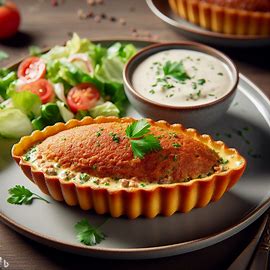
Quadrille – Making diagonal criss-crossed cuts on the surface of food.
Quark – Fresh European curd cheese.
Quatre épices – French spice mixed with pepper, cloves, nutmeg, and ginger.
Quenelle – Oval-shaped dumplings made from creamed fish, meat, or pâte à choux. OR a scooping technique using a special spoon
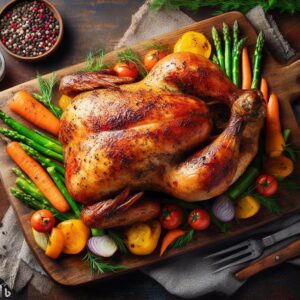
Ras el hanout – North African spice blend containing up to 30 spices.
Reconstitute – Restoring dried food to its original form by adding back moisture.
Reduce – Boiling down the liquid to make it more concentrated.
Remouillage – Splashing some water into bags of bones to extract more flavor when making stock.
Render – Melting down solid fat slowly to separate melted fat and save the drippings.
Rest – Letting meat sit after cooking so juices redistribute evenly inside.
Ribbon stage – When cake batter falls off a spoon or spatula back onto itself in thick ribbons.
Rind – The firm outer skin of cheese and citrus fruits.
Roast- Dry heat cooking method used to cook food uncovered in an oven. Roasting uses dry ambient heat to fully cook cuts of meat, vegetables, or legumes.
Roasting pan- Large, sturdy pan with low sides used for roasting meats and veggies.
Roasting rack- Metal rack that fits inside a roasting pan to elevate food for even cooking.
Rondeau – Wide pot with sloped sides commonly used for making sauces.
Roux – Blend of fat and flour used to thicken and emulsify sauces.
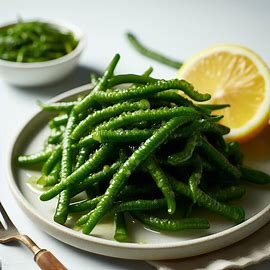
Samphire – Succulent coastal plant used as a vegetable.
Santoku knife – Japanese multipurpose knife with a straight front edge. Good for chopping.
Saucepan – Round, tall, straight-sided pot with a lid. Good for making sauces.
Sauté- To quickly cook vegetables or a small amount of fat pieces of food in a pan with a little bit of fat like butter or oil. Sautéing is done over high heat.
Scald – To heat a liquid like milk or cream to just below its boiling point in order to change the texture, make it smoother, or kill bacteria.
Score – Cutting slits into the outer surface of the meat to help it cook more evenly.
Sear – Quickly browning the outside of meat at a high temperature to seal in juices.
Shock – Plunging hot food into ice water to halt the cooking process.
Shred – Tearing or cutting food into thin, narrow strips.
Sift – Shaking dry ingredients like flour through a fine mesh sieve to remove lumps.
Silicone baking mat- Flexible, nonstick silicone mat used instead of parchment paper.
Silicone spatula- Flexible, heat-resistant spatula that’s good for scraping bowls and pans.
Simmer – Gently cooking food in liquid just below the boiling point.
Skewer – Long, thin rod for threading and holding pieces of uncooked food while grilling.
Skillet – Flat-bottomed frying pan with sloped sides.
Skim – Using a spoon to remove the foam and fat floating on the top of simmering liquids.
Slow cook – Cooking foods low and slow in a slow cooker or oven for ultimate tenderness.
Slurry – Blend of cornstarch and cold water used to thicken sauces and stews.
Smoke – Cooking and flavoring foods by exposing them to wood smoke.
Sous vide – Vacuum sealing food, then cook slowly in a temperature-controlled water bath.
Spatchcock – Butterflying a whole chicken or other bird and flattening it for quick, even cooking.
Springform pan – Round baking pan with removable sides held together by a spring clip. Typically used for cheesecakes.
Staling – When bread and baked goods lose their freshness and go stale over time.
Steam – Cooking food using the vapor from boiling water. Keeps cooked food moist.
Steep – Soaking dry ingredients like tea or dried chiles in hot liquid to extract flavor.
Stew – Braising meat or poultry and veggies in liquid for a long time until very tender.
Stir-fry – Quickly frying small pieces of food while tossing and then stirring constantly in a wok.
Stock – Flavored cooking liquid made by simmering bones, meats, and vegetables.
Stockpot – Very large, tall pot designed for making stocks and soups.
Strain – Pouring a mixture through a colander or sieve to remove solids.
Sweat – Cooking veggies in fat over low heat until softened but not browned.

Tahini – Middle Eastern sesame seed paste.
Tamarind – Tart tropical seed pod used in cuisine.
Tempering – Gradually raise the temperature of a sensitive ingredient by adding hot liquid.
Tenderize – Treating tough meat to make it more tender using acid, enzymes, or pounding.
Thermometer – Tool used to accurately measure the internal temperature of cooking foods.
Thermometer, candy- Thermometer that can measure up to very high temperatures for making candy.
Thermometer, instant-read- Digital thermometer that gives a fast temperature reading.
Thermometer, meat- Tool inserted in a piece of meat to check the internal temperature and doneness.
Tourner – Cutting veggies into football shapes for even cooking.
Truss – Tying poultry or roasts with string to maintain their shape during cooking.
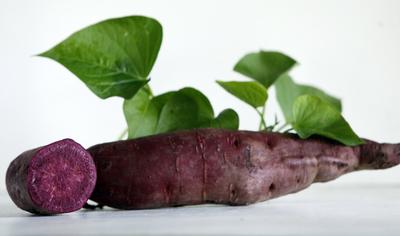
Ube – Purple yam from the Philippines used in desserts.
Ultra pasteurization- Heating milk or juice to very high temperatures to extend shelf life.
Unleavened- Flatbread or baked goods made without yeast or other leavening methods.
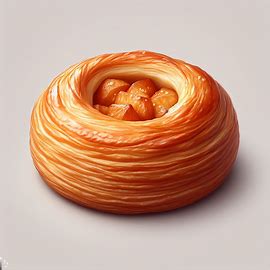
Vandyke – Making v-shaped slits around fruit or vegetable pieces to decorate them.
Velouté- One of the five “mother sauces” made with a light stock and roux.
Victual – Food supplies or provisions.
Vol-au-vent – Flaky puff pastry round filled with a savory filling like chicken or seafood.

Wet heat- Moist-heat cooking methods like boiling, steaming, and poaching.
Whip- To rapidly beat food to incorporate air and increase volume. You beat rapidly to add air to foods like heavy or whipping cream or egg whites. Whipping makes the food light and fluffy.
Whisk – Utensil with looped wires used to blend ingredients smoothly.
Xanthan gum – Thickener and stabilizer used in gluten-free baking.
Xylitol – Natural sugar substitute extracted from plants.
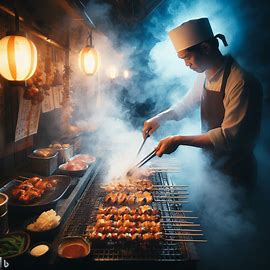
Yakitori – Japanese grilled chicken skewers.
Yeast – Microorganism used for leavening bread and fermenting beers and wines.
Yucca- South American root vegetable, also called cassava or manioc.
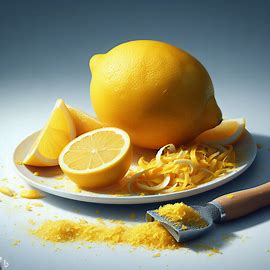
Zest – Removing just the thin, outermost colorful peel from citrus fruit or fruits using a zester or grater.
Wrap Up
And that’s everything for our tour of cooking terms! With this list of kitchen terms, you can now read any recipe and know exactly what to do. No more being confused about stuff like “julienne” or “proofing.”
You’ve got all the cooking language down now. You can make so many new exciting foods thanks to learning these words. Don’t be scared to try new recipes just because of funny phrases. This dictionary has your back!
So grab those pots and pans, pick out a yummy recipe, and start cooking like a pro. You’ve got all the words to be a kitchen master. Make something delicious and enjoy!